



What Combat Vehicles Actually Bring to the Field: Mobility, Defense, and Security

Today, war isn’t about fixed formations anymore; it relies on intense, dynamic movements of troops. In this context, equipment reliability is the key determining factor. Military engineers work within stringent parameters, often referred to as the Iron Triangle constraints today. These constraints shape modern armored vehicle design principles everywhere.
This framework necessitates an extreme tradeoff among firepower, maneuverability, and crew survivability. An armor-maximizing vehicle can compromise speed, and a lightweight platform can expose personnel to kinetic threats. The primary challenge for defense manufacturers today is achieving equilibrium.
The Spectrum of Specialized Platforms in Operation
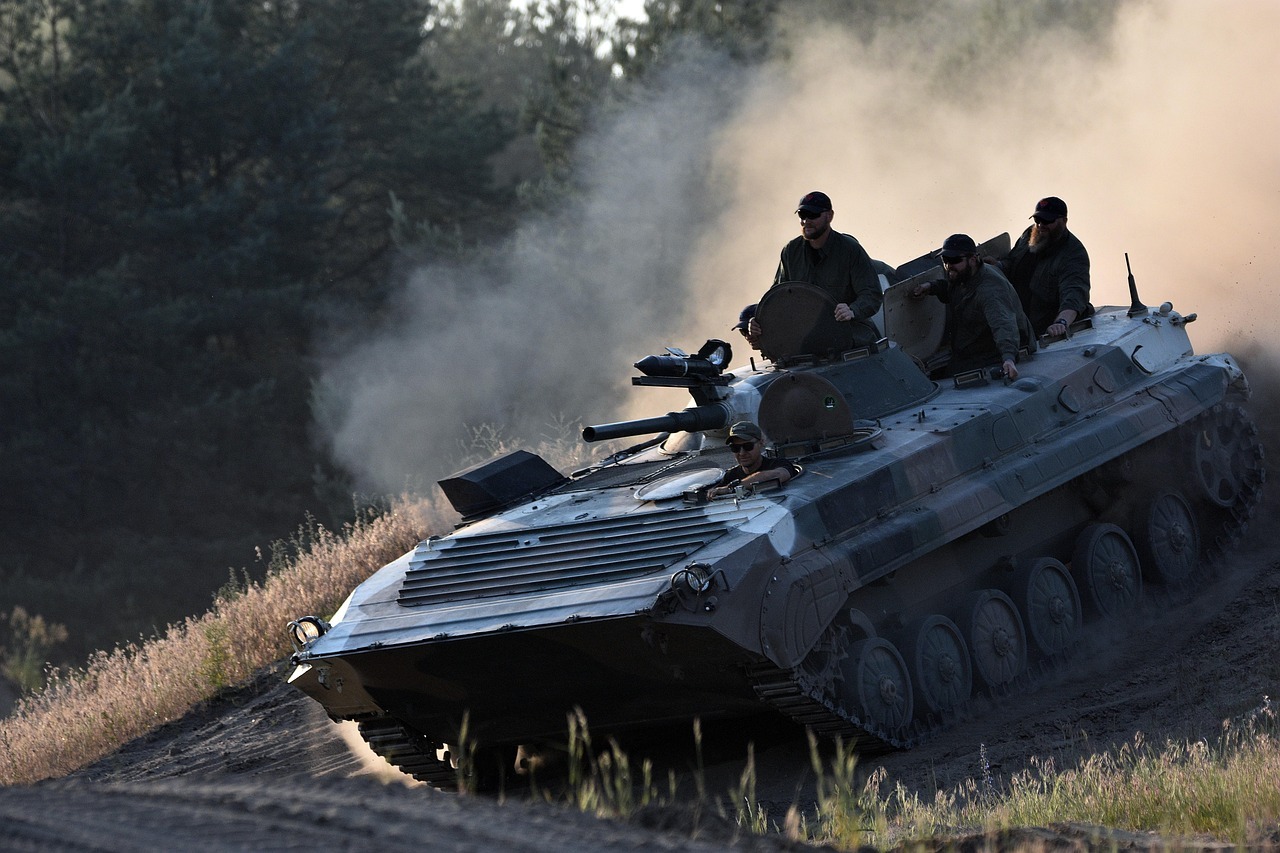
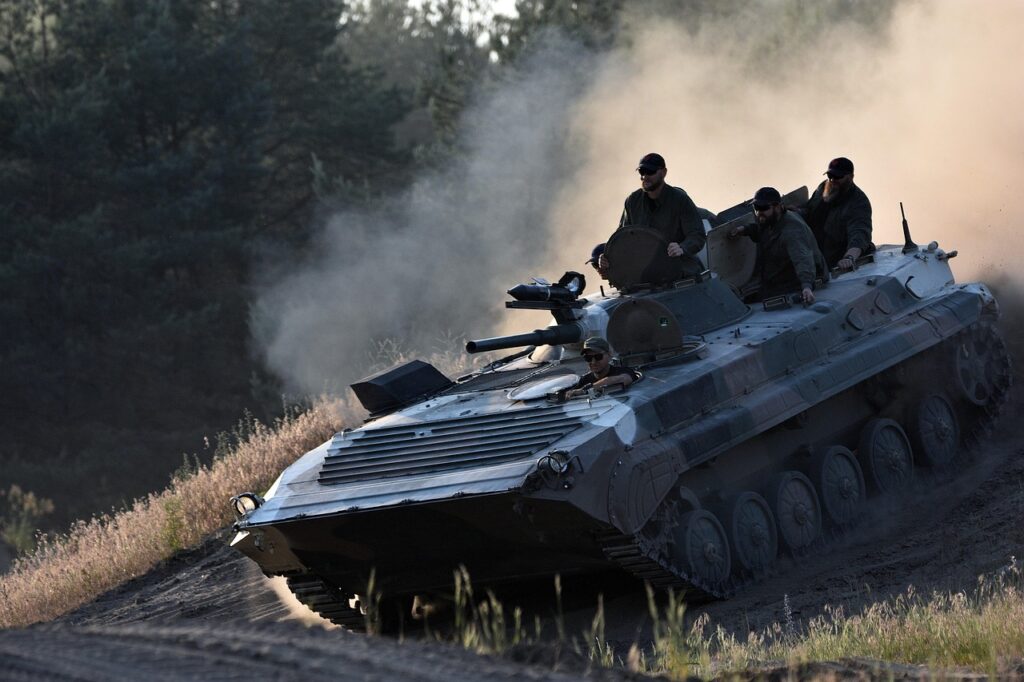
The dynamic needs of the battlefield determine the exact architectural composition of the deployed assets. Commanders utilize the modern infantry fighting vehicle to bridge the gap between the firepower of heavy tanks and troop deployment. This ensures troops can be quickly deployed in intense combat situations.
These platforms must endure severe punishment yet deliver squads to their objectives, and need a chassis that handles composite plating. It can’t lock units in place when crossing rough, demanding terrain conditions.
The asymmetric war has presented a new level of threat that hasn’t been witnessed in a state-on-state war. Numerous improvised explosive devices led to MRAP development, providing specialized underbelly shielding for vehicles. It protects light and medium fleets moving through urban areas.
These vehicles use V-shaped hulls to redirect blast energy from occupants. The shape of armor is equally crucial as thickness.
Mobility as the Ultimate Defense Mechanism
Passive armor is the final defense mechanism, while mobility can often serve as the initial defense mechanism. Mobile defenses can offer an additional layer of protection. Speed and rough-terrain mobility keep any opponents from easily maintaining an accurate targeting track on vehicles. The engineering of the modern era is focused on achieving high power-to-weight ratios. Thus, heavy platforms can accelerate out of kill zones more quickly.
There’s an international trend in defense development, characterized by a shift toward wheeled platforms. The market for wheeled armored vehicles is expected to expand at a rate exceeding 3% per year. Logistical agility becomes a significant factor in shaping military strength. Speed enables the units to create the pace of an engagement instead of responding to it.
The Evolution of Advanced Armor Solutions
Composite materials are now the future of survivability instead of adding layers of steel. Engineers install spall liners in the crew cabin to trap lethal fragmentation. They stop shards from piercing the hull during impacts.
Modular armor kits, called kitted hulls, equip modern designs and let maintenance crews repair damaged areas. They also enhance protection against a wide range of battlefield threats. Such modularity keeps the vehicle structure flexible throughout its entire service life. It doesn’t need a complete manufacturing overhaul later.
Countering Asymmetric Threats and Blast Pressure
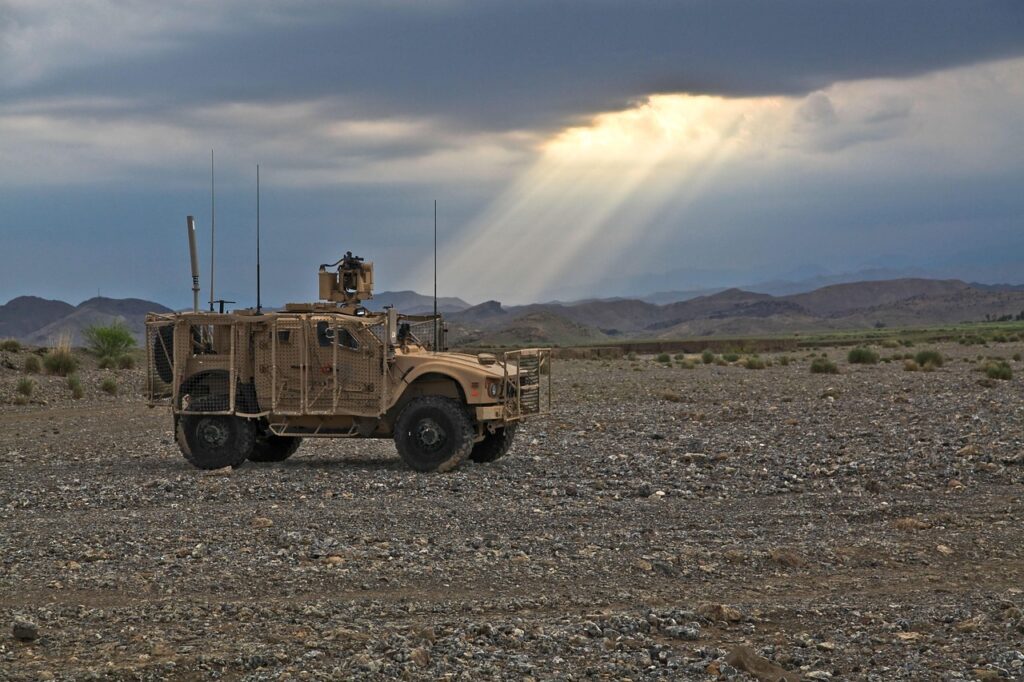
In contemporary combat, security goes beyond preventing bullets to include the huge amounts of energy unleashed by the mines. Blast technology has also been an established requirement among working cars. Floating floor plates and energy-absorbing seats separate the chassis from the crew during explosions. This protective design ensures they aren’t hurt at all.
This separation will ensure that the shockwave doesn’t pass directly to the spines of the occupants. These types of structural innovations have led to a dramatic decrease in the number of casualties in the fields. Here, buried improvised explosive devices pose the main threat to moving convoys.
The Future of Crew Ergonomics and Safety
A secure vehicle should also consider the protective boundaries of the anatomical capabilities of the human drivers within. Factors like heat, noise, and cramped conditions cause fatigue and increase the risk of tactical errors.
Nowadays, vehicle interiors are more focused on heat exchange and ergonomic designs to keep soldiers awake on long-range missions. Integrated situational-awareness sensors let the crew observe the perimeter while staying protected by the armor. They’ll stay safe from sniper fire and environmental threats without extra exposure.
The Road Ahead Is Armor Intelligence Over Brute Force
What constitutes a combat vehicle has changed from a basic metal box to an intricate list of survival technology. Mobility enables forces to move conveniently, offering enhanced agility and swift adaptability in highly complex combat situations. Superior materials keep units steady when impacted, thus avoiding mission failure.
The blast mitigation and modular designs can be integrated, as it’s a sign of understanding the modern threats better. The demands of future war still require platforms capable of securing political officials based on smart engineering. They prioritize innovation and strategy over brute strength. The smooth combination of agility and protection is ultimately what allows success.
 en partenariat avec REGIEPRO